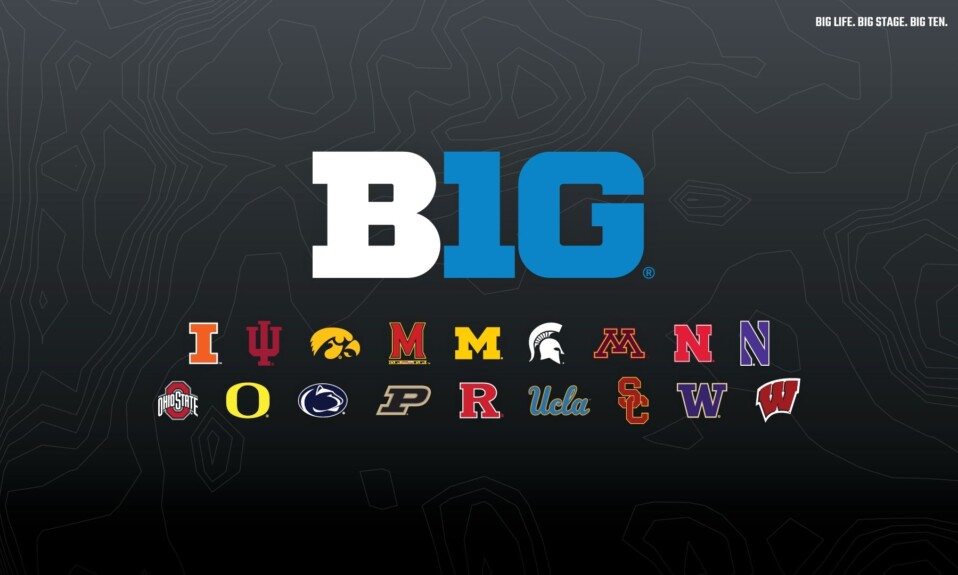
The 2026 Big Ten football schedule reads less like a list of dates and more like a gauntlet. With the league now stretched coast‑to‑coast and stocked with national contenders, the calendar offers no soft landings, no quiet Saturdays, and no illusions about how hard the path to Indianapolis—and the College Football Playoff—has become. What stands out most is not just the volume of marquee games, but the way they stack, collide, and threaten to reshape the national picture week after week.
Indiana, the reigning national champion, sits at the center of the storm. The Hoosiers’ rise under Curt Cignetti from plucky spoiler to full‑fledged powerhouse has already rewritten the conference hierarchy, and the league wasted no time testing their staying power. Their midseason stretch—Ohio State at home, Michigan on the road, USC in Bloomington, and Washington in Seattle—reads like a referendum on whether last year’s magic was a coronation or a prelude. The Oct. 17 rematch with Ohio State, a reprise of the 2025 Big Ten Championship, may be the most anticipated game in the conference this fall. Bloomington has become a fortress, but the Buckeyes arrive with a roster built to reclaim what they believe is rightfully theirs.
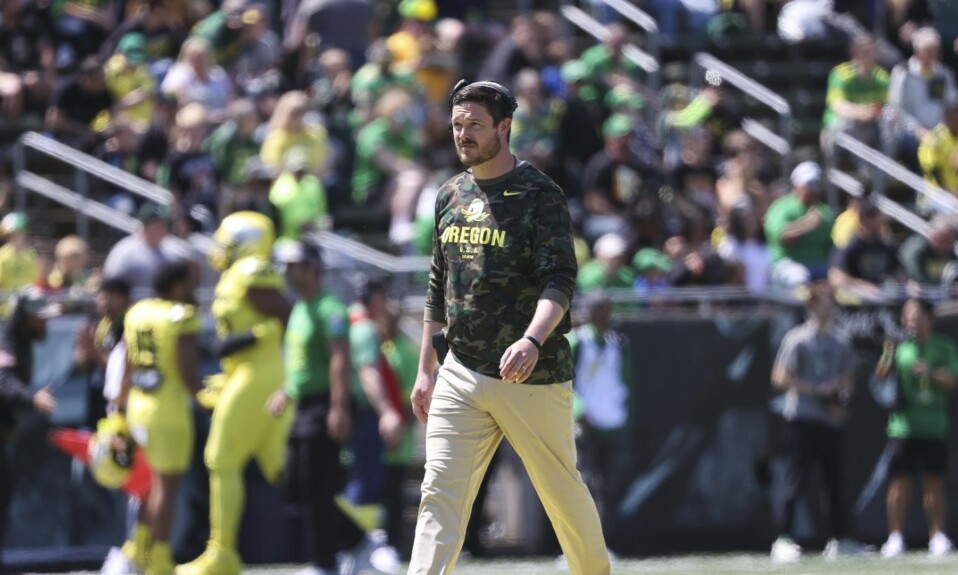
Ohio State and Ryan Day, for their part, face a schedule that feels almost punitive. A November showdown with Oregon looms as a potential top‑five clash, the kind of game that can swing a first‑round bye in the expanded playoff. The Ducks and Dan Lanning, who have embraced their Big Ten identity with a mix of swagger and steel, face their own gantlet: at USC, at Ohio State, Michigan, and Washington all in the same season. It’s the kind of lineup that tests not just talent, but depth, conditioning, and the ability to survive the cumulative weight of elite competition.
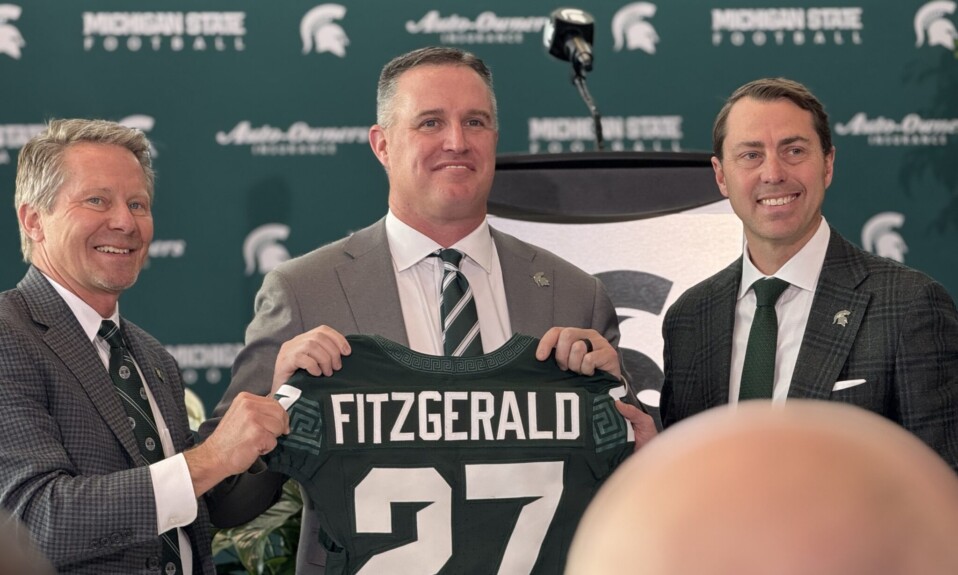
Michigan, meanwhile, enters a new era under new head coach Kyle Whittingham with a schedule that offers both opportunity and peril. A November trip to Autzen Stadium—where the Wolverines haven’t won in more than half a century—could define their season. And, of course, “THE GAME” remains the league’s gravitational center. No matter how the standings look by late November, Michigan‑Ohio State will once again carry playoff implications, coaching‑staff scrutiny, and the emotional heft of a rivalry that refuses to soften.
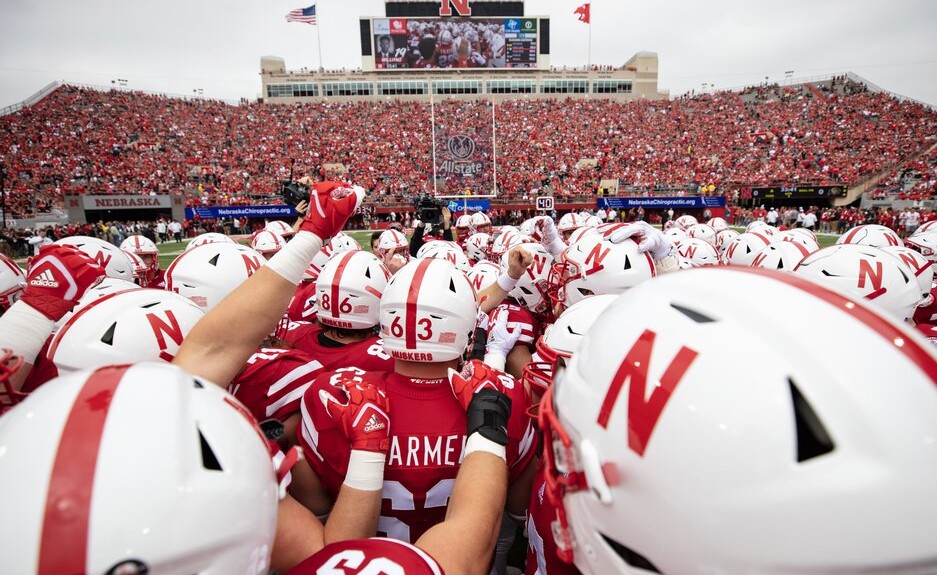
Elsewhere, the league’s newcomers continue to shape the landscape. USC and Lincoln Riley, temporarily (at least that is the hope) without the annual Notre Dame anchor, must navigate a cross‑country slate that includes October trips to Happy Valley and Madison. Washington’s late‑season date with Indiana could carry unexpected weight. Illinois and Bret Bielema, quietly building momentum, hosts Oregon, Nebraska, and Iowa in a stretch that could determine whether the Illini are ready to step into the league’s second tier.
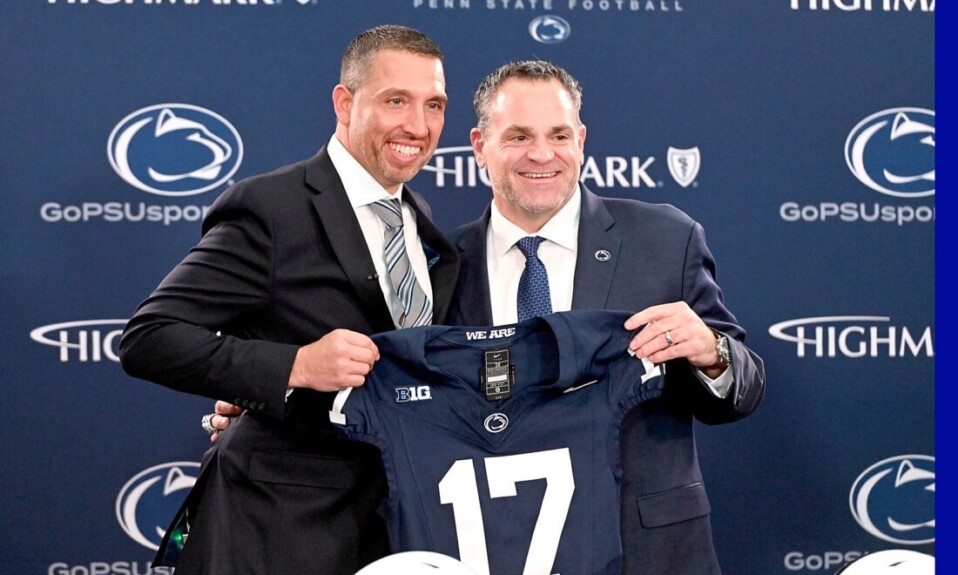
And then there’s Penn State, the beneficiary of a favorable rotation that avoids Indiana, Ohio State, and Oregon altogether. In a league where survival often feels like success, the Nittany Lions may find themselves in the enviable position of controlling their own destiny. Even without those 2025 playoff participants, new Penn State head coach Matt Campbell will have his share of challenges in October, when USC visits on October 10th and the Nittany Lions travel to Ann Arbor on October 17th.
What makes the 2026 schedule so compelling is not just the star power, but the stakes. The Big Ten has produced three straight national champions, and the path to a fourth winds through stadiums packed with playoff hopefuls, Heisman candidates, and coaching staffs under pressure to deliver. Every Saturday feels oversized. Every loss feels heavier. Every win feels like a step toward something monumental.
In a conference defined by tradition but reshaped by expansion, the 2026 season promises clarity. By Thanksgiving, we’ll know which programs have adapted to the new order—and which are still clinging to the old one. The schedule offers no hiding places. Only collision points. Only truth.